


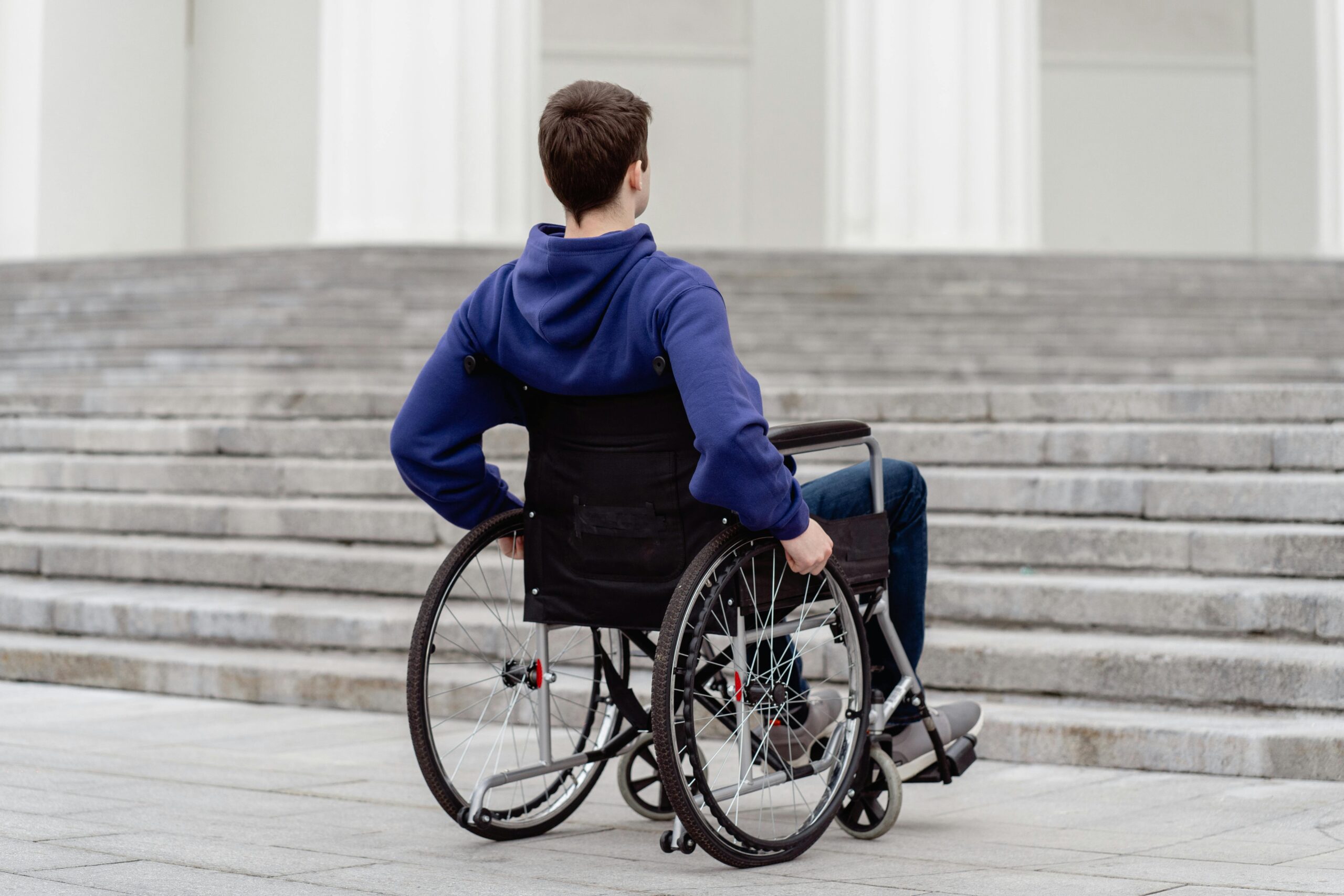
For wheelchair users, daily mobility is not just about movement, but also about adapting to real-world environmental barriers. Obstacles such as stairs, thresholds, and uneven surfaces often become major challenges for independent living.
In many public places and older buildings, the lack of accessible design remains a common issue. For example, entrances without ramps, narrow doorways, or the absence of elevators can significantly limit wheelchair users’ mobility and make simple outings difficult or even impossible.
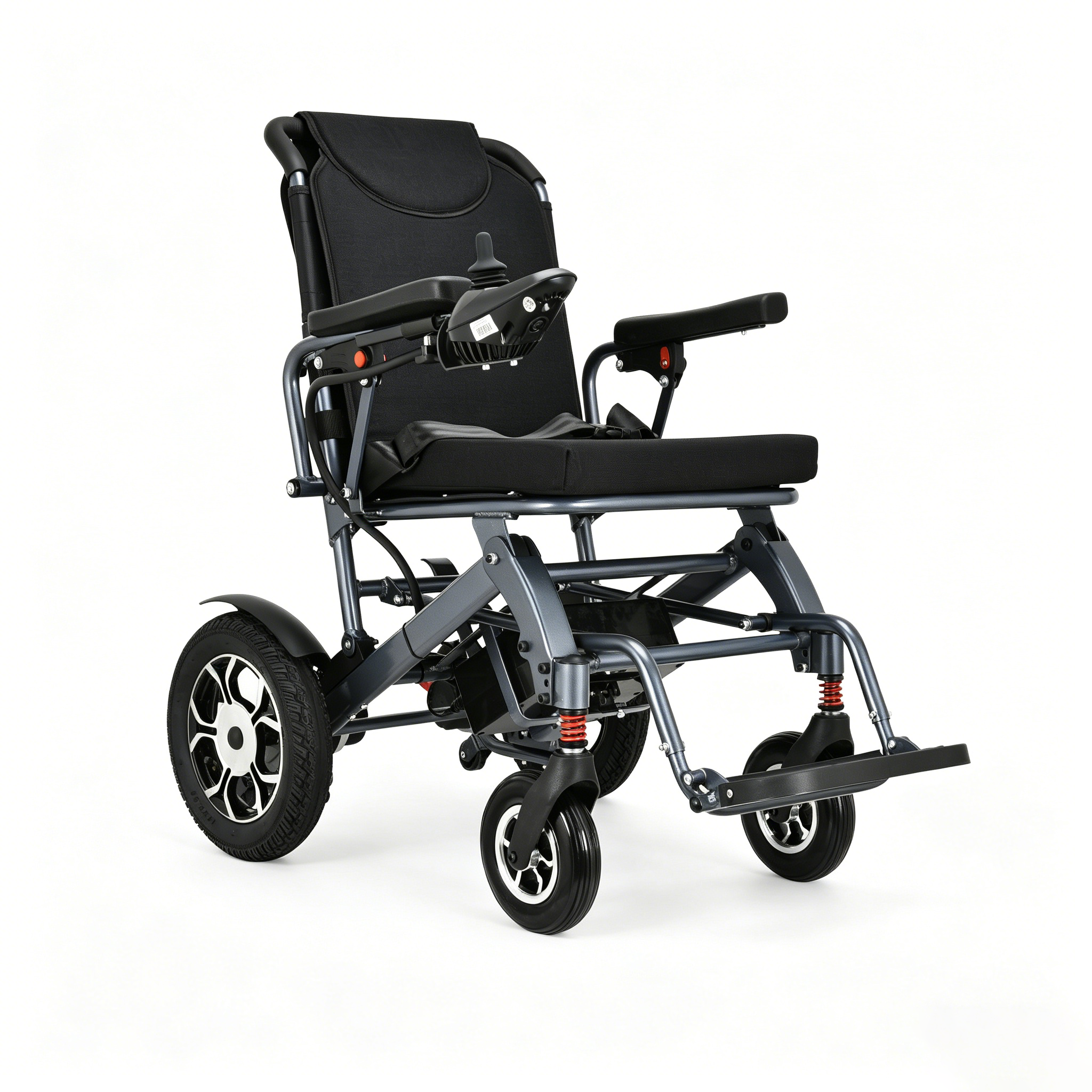
This reality highlights the importance of accessibility equipment and thoughtful product design. Well-designed wheelchairs with lightweight structures, good maneuverability, and reliable braking systems can help improve safety and mobility in complex environments.
At the same time, improvements in public accessibility infrastructure are gradually being made. More public spaces are now equipped with ramps, elevators, and dedicated pathways to create a more inclusive environment for people with mobility challenges.
For families and caregivers, choosing a wheelchair that matches real-life usage scenarios is essential. If the user frequently encounters outdoor or complex environments, factors such as stability, durability, and portability become especially important.
With continuous advancements in design and manufacturing technology, modern wheelchairs are evolving to better adapt to real-life challenges, enabling users to participate in daily activities with greater independence and safety.